No products in the cart.
- Selection Required: Select product options above before making new offer.
- Error: There was an error sending your offer, please try again. If this problem persists, please contact us.


$95.00
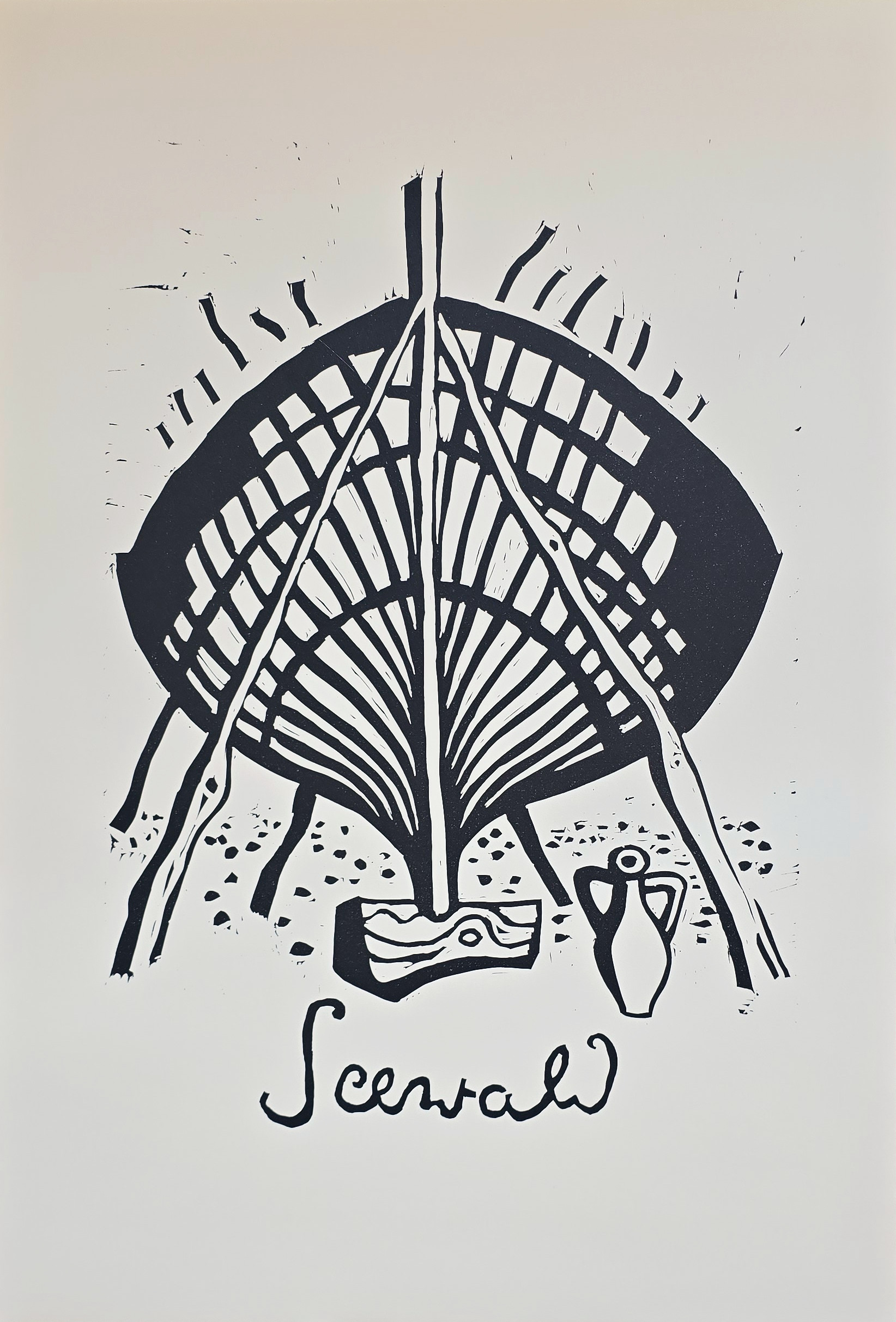
Richard Seewald
Boatyard on Corfu
Lithograph
1974
Size: 32.28 x 22.04 inches (82 × 56 cm)
Signed in stone
COA provided
1 in stock

You can also buy artwork from Cerbera Gallery at 1stdibs.com, the world's top art shopping site.

No Payments + No Interest if paid in full in 6 months on purchases of $99 or more. Financing up to 36 months.
Richard Seewald (1889–1976) was born in Arnswalde, Germany and began studying architecture in Munich in 1909 at his father’s request. However, he quickly turned to painting as a self-taught artist. Early drawings published in Die Jugend led to illustration work for other magazines. His first oil painting was created in 1913 on the island of Rab. That same year, he joined the Münchener Neue Secession and later the Deutscher Künstlerbund. Seewald became a sought-after illustrator for authors such as Daniel Defoe and Heinrich von Kleist. His own illustrated books and frequent travels around the Mediterranean influenced his evolving artistic style.
In 1924, he was appointed professor at the Cologne Art School. After converting to Catholicism in 1929, he completed commissions for church murals. Disillusioned by the political climate, Seewald relocated permanently to Switzerland in 1931. The Nazis labeled his work “degenerate” in 1937, and many of his pieces were confiscated or destroyed. After WWII, Seewald cautiously re-entered the German art scene, eventually accepting a professorship in Munich in 1954. Following personal losses, he destroyed a significant portion of his work. His sketchbooks were donated to the Germanic National Museum, and his remaining estate was entrusted to a foundation in Ascona, where he is buried.
Richard Seewald, German artist, illustrator, modern art, Munich Secession, degenerate art, art professor, Mediterranean influence, Catholic convert, Nazi art purge, Fondazione Seewald, Germanic National Museum, 20th century illustration, Munich Academy of Fine Arts, exile artist
Other Artwork by Richard Seewald
Description
Richard Seewald (1889–1976) was born in Arnswalde, Germany and began studying architecture in Munich in 1909 at his father’s request. However, he quickly turned to painting as a self-taught artist. Early drawings published in Die Jugend led to illustration work for other magazines. His first oil painting was created in 1913 on the island of Rab. That same year, he joined the Münchener Neue Secession and later the Deutscher Künstlerbund. Seewald became a sought-after illustrator for authors such as Daniel Defoe and Heinrich von Kleist. His own illustrated books and frequent travels around the Mediterranean influenced his evolving artistic style.
In 1924, he was appointed professor at the Cologne Art School. After converting to Catholicism in 1929, he completed commissions for church murals. Disillusioned by the political climate, Seewald relocated permanently to Switzerland in 1931. The Nazis labeled his work “degenerate” in 1937, and many of his pieces were confiscated or destroyed. After WWII, Seewald cautiously re-entered the German art scene, eventually accepting a professorship in Munich in 1954. Following personal losses, he destroyed a significant portion of his work. His sketchbooks were donated to the Germanic National Museum, and his remaining estate was entrusted to a foundation in Ascona, where he is buried.
Richard Seewald, German artist, illustrator, modern art, Munich Secession, degenerate art, art professor, Mediterranean influence, Catholic convert, Nazi art purge, Fondazione Seewald, Germanic National Museum, 20th century illustration, Munich Academy of Fine Arts, exile artist